
A confident smile plays an important role in personal and professional interactions. Small imperfections such as chipped teeth, gaps, discoloration, or uneven edges can affect how a person feels about their appearance. Cosmetic dental bonding is a popular and affordable cosmetic dentistry solution designed to improve the look of teeth quickly and effectively. This detailed guide explains cosmetic dental bonding, how it works, its benefits, and why it is often chosen as a cost effective smile enhancement option.
Understanding Cosmetic Dental Bonding
Cosmetic dental bonding is a minimally invasive procedure used to enhance the appearance of teeth.
What Is Cosmetic Dental Bonding
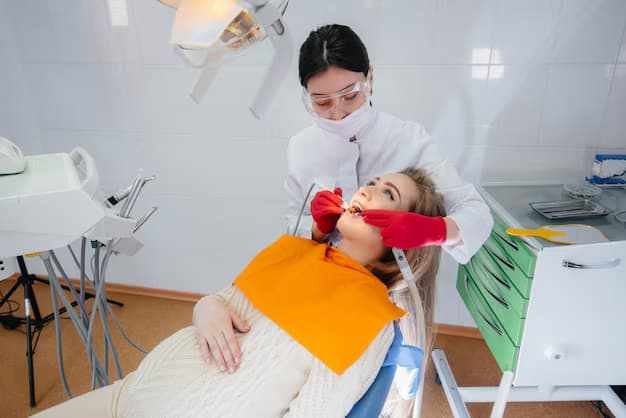
Cosmetic dental bonding involves applying a tooth colored resin material to the surface of a tooth. The material is shaped, polished, and hardened to blend naturally with surrounding teeth.
How Cosmetic Dental Bonding Works
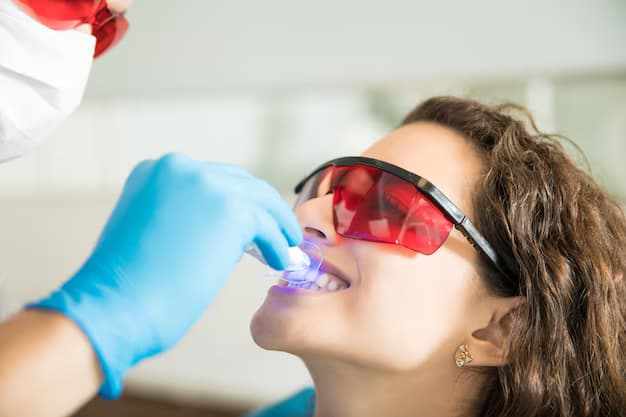
The bonding material adheres directly to the tooth surface. Once sculpted into the desired shape, it is cured using a special light, creating a durable and natural looking result.
Why It Is Considered Cosmetic Dentistry
Cosmetic dental bonding focuses on improving the appearance of teeth rather than restoring function alone. It enhances color, shape, size, and alignment.
Common Dental Issues Treated With Cosmetic Dental Bonding
Cosmetic dental bonding is versatile and suitable for various cosmetic concerns.
Chipped or Cracked Teeth
Bonding repairs minor chips and cracks, restoring a smooth and even tooth surface.
Gaps Between Teeth
Small gaps can be closed using bonding material without the need for orthodontic treatment.
Discolored or Stained Teeth
Teeth that do not respond well to whitening treatments can be covered with bonding to improve color.
Misshapen or Uneven Teeth
Bonding reshapes teeth to create a more balanced and symmetrical smile.
Why Cosmetic Dental Bonding Is an Affordable Option
Cost is a key reason many patients choose cosmetic dental bonding.
Minimal Preparation Required
Bonding usually requires little to no removal of tooth structure, reducing time and complexity.
Fewer Appointments Needed
Many bonding procedures are completed in a single visit, lowering overall treatment costs.
No Laboratory Fees
Unlike veneers or crowns, bonding is typically done directly in the dental office without custom lab fabrication.
The Cosmetic Dental Bonding Procedure
Understanding the procedure helps patients feel comfortable and informed.
Initial Consultation and Smile Assessment
The dentist evaluates the teeth and discusses aesthetic goals to determine if cosmetic dental bonding is appropriate.
Tooth Preparation Process
The tooth surface is gently prepared to help the bonding material adhere properly.
Application of the Bonding Material
The resin is applied, shaped, and sculpted to achieve the desired appearance.
Curing and Polishing
A curing light hardens the material, and final polishing ensures a smooth and natural finish.
Benefits of Cosmetic Dental Bonding
Cosmetic dental bonding offers multiple advantages for patients seeking smile improvements.
Natural Looking Results
The resin material is carefully matched to the natural tooth color, making the restoration blend seamlessly.
Conservative Treatment Approach
Bonding preserves most of the natural tooth structure, making it a conservative cosmetic option.
Quick Smile Enhancement
Results are often visible immediately after the procedure.
Painless and Comfortable Experience
Bonding typically does not require anesthesia unless used to repair decay.
Cosmetic Dental Bonding Versus Other Cosmetic Treatments
Comparing options helps patients choose the right treatment.
Bonding Versus Veneers
Veneers offer long term durability but require more tooth preparation and higher costs. Bonding is more affordable and less invasive.
Bonding Versus Crowns
Crowns restore function and strength but involve significant tooth reshaping. Bonding focuses on cosmetic improvements with minimal alteration.
Bonding Versus Teeth Whitening
Whitening improves color but does not correct shape or chips. Bonding addresses multiple cosmetic concerns at once.
Who Is a Good Candidate for Cosmetic Dental Bonding
Not all cosmetic issues require extensive treatment.
Patients With Minor Cosmetic Concerns
Bonding is ideal for small imperfections rather than major structural damage.
Patients Seeking Budget Friendly Solutions
Individuals looking for affordable cosmetic dentistry often choose bonding.
Patients Wanting Immediate Results
Bonding is suitable for those who want noticeable improvements quickly.
Caring for Teeth After Cosmetic Dental Bonding
Proper care helps maintain results.
Daily Oral Hygiene Practices
Brushing twice daily and flossing regularly keep bonded teeth clean and healthy.
Avoiding Staining Substances
Limiting foods and beverages that cause staining helps preserve the appearance of bonded teeth.
Preventing Damage
Avoiding habits such as biting hard objects helps protect the bonding material.
Regular Dental Checkups
Routine dental visits allow monitoring of bonded teeth and timely touch ups if needed.
Longevity of Cosmetic Dental Bonding
Understanding lifespan helps set expectations.
How Long Bonding Typically Lasts
With good care, cosmetic dental bonding can last several years.
Factors That Affect Durability
Oral hygiene, dietary habits, and grinding can influence how long bonding lasts.
When Replacement or Repair Is Needed
Bonding can be repaired or replaced easily if it becomes worn or damaged.
Cosmetic Dental Bonding and Smile Confidence
Beyond aesthetics, bonding supports emotional well being.
Boosting Self Confidence
Improved smile appearance often leads to greater self assurance.
Enhancing Social and Professional Interactions
A confident smile can positively impact communication and first impressions.
Encouraging Better Oral Care Habits
Patients who invest in cosmetic improvements are often more motivated to maintain oral health.
Preventive Value of Cosmetic Dental Bonding
Bonding can support oral health in subtle ways.
Protecting Exposed Tooth Areas
Bonding covers vulnerable areas, reducing sensitivity and wear.
Preventing Further Tooth Damage
Sealing small cracks helps prevent worsening damage.
Supporting Tooth Stability
Properly shaped bonding improves bite balance and comfort.
Conclusion
Cosmetic dental bonding is an affordable and effective cosmetic dentistry option for improving the appearance of teeth. It addresses common concerns such as chips, gaps, discoloration, and uneven shapes with minimal preparation and immediate results. By preserving natural tooth structure and offering a budget friendly solution, cosmetic dental bonding makes smile enhancement accessible to many patients. With proper care and maintenance, bonded teeth can remain attractive and functional for years. For individuals seeking reliable cosmetic solutions and personalized dental care, Clove Dental Sherman Oaks is dedicated to helping patients achieve confident and healthy smiles through high quality cosmetic dental bonding treatments.




Write a comment ...