
A bright smile is often associated with confidence, good health, and positive first impressions. Over time, however, teeth can lose their natural whiteness due to aging, dietary habits, lifestyle choices, and oral health factors. This has led many people to explore teeth whitening treatment options as a way to restore a brighter and more youthful appearance. Understanding how whitening works, what options are available, and how to choose safe methods is essential for achieving satisfying and long lasting results.
This article provides a detailed and easy to understand explanation of teeth whitening treatment. It explores common causes of tooth discoloration, professional and at home whitening options, safety considerations, and tips for maintaining a whiter smile.
Understanding Tooth Discoloration
Tooth discoloration does not happen overnight. It is often the result of multiple factors that affect the enamel and inner structure of the teeth.
Extrinsic Stains on the Enamel
Extrinsic stains form on the outer layer of the tooth called enamel. These stains are commonly caused by frequent consumption of coffee, tea, red wine, and dark colored foods. Tobacco use is another major contributor. Poor oral hygiene can allow plaque and stain particles to build up, making teeth appear yellow or dull.
Intrinsic Discoloration Within the Tooth
Intrinsic stains develop inside the tooth structure and are often more difficult to remove. These stains can result from aging, certain medications taken during tooth development, excessive fluoride exposure, or trauma to a tooth. Intrinsic discoloration typically requires professional teeth whitening treatment for noticeable improvement.
Natural Aging and Tooth Color Changes
As people age, enamel gradually wears down, revealing the darker dentin underneath. This natural process can make teeth appear less white even with good oral hygiene. Whitening treatments can help counteract this effect by lightening the visible color of the teeth.
What Is Teeth Whitening Treatment
Teeth whitening treatment is a cosmetic dental procedure designed to lighten the shade of natural teeth. It works by using whitening agents that break down stain molecules, making them less visible and resulting in a brighter smile.
How Whitening Agents Work
Most whitening products contain peroxide based ingredients that penetrate the enamel and reach the dentin. These agents release oxygen molecules that interact with stain compounds and break them apart. This chemical process lightens the overall tooth color without damaging the tooth structure when used correctly.
Difference Between Whitening and Cleaning
Teeth cleaning removes plaque, tartar, and surface stains caused by food and bacteria. Teeth whitening treatment goes a step further by changing the actual color of the teeth. While cleaning improves oral health, whitening focuses on cosmetic enhancement.
Professional Teeth Whitening Treatment Options
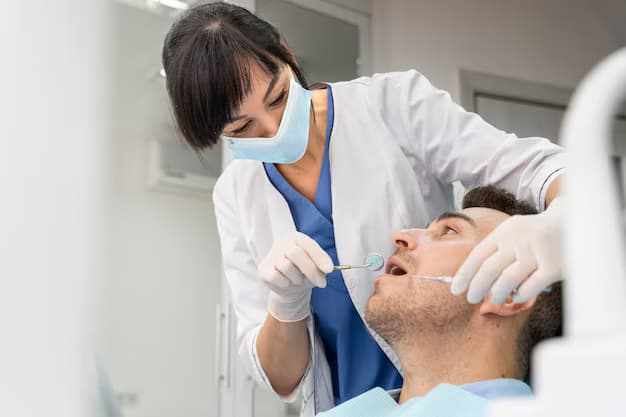
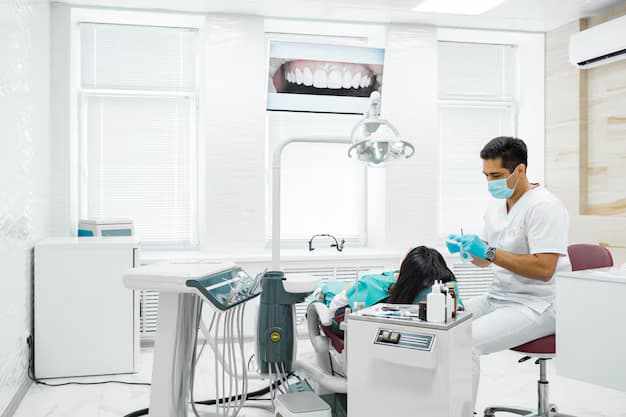
Professional whitening treatments are performed or supervised by dental professionals and are known for delivering faster and more consistent results.
In Office Whitening Procedures
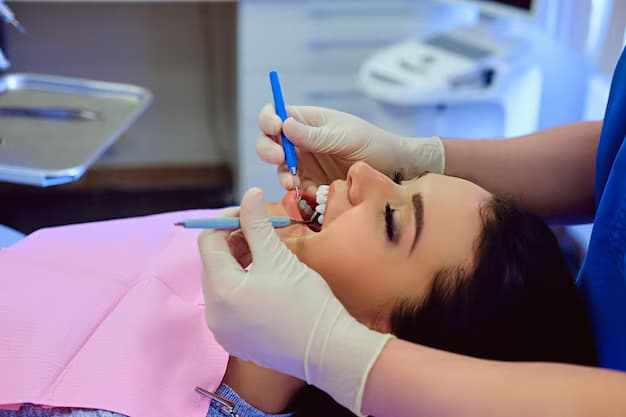
In office teeth whitening treatment is one of the most effective options available. It involves applying a high concentration whitening gel to the teeth, often activated by a special light or heat source. This method can significantly brighten teeth in a single visit.
The advantages include immediate results, professional supervision, and reduced risk of gum irritation. Many people choose in office whitening for special occasions or when quick results are desired.
Custom Take Home Whitening Kits
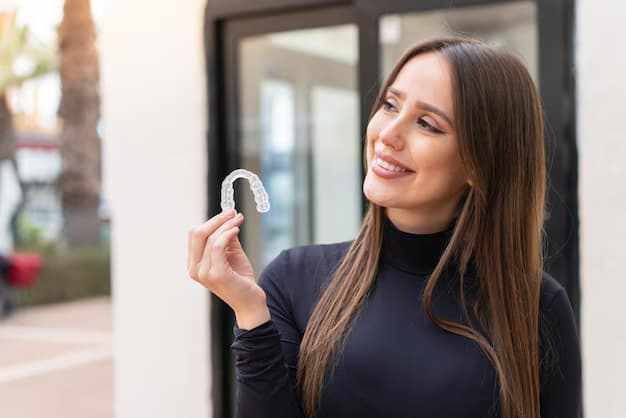
Dentists may also provide custom take home whitening kits. These kits include personalized trays designed to fit the patient’s teeth and a professional grade whitening gel. The trays ensure even application and minimize contact with gums.
This option allows gradual whitening over several days or weeks while maintaining professional guidance. It is often preferred by individuals who want noticeable results with flexibility.
Benefits of Professional Whitening
Professional teeth whitening treatment offers controlled application, stronger whitening agents, and tailored care. This reduces the likelihood of uneven results or sensitivity and ensures that the treatment is appropriate for the individual’s oral health condition.
At Home Teeth Whitening Methods
At home whitening options are widely available and can be effective for mild discoloration when used properly.
Whitening Toothpaste and Rinses
Whitening toothpaste contains mild abrasives and polishing agents that help remove surface stains. Some also include low levels of whitening agents. While these products can maintain brightness, they typically do not produce dramatic whitening results on their own.
Over the Counter Whitening Strips and Gels
Whitening strips and gels are popular at home teeth whitening treatment options. They are applied directly to the teeth for a specified period. These products can lighten teeth by a few shades with consistent use, though results vary.
Natural and Home Remedies
Some people use baking soda or oil pulling as natural whitening methods. While these approaches may help remove surface stains, they do not provide the same level of whitening as professional treatments. Overuse of abrasive substances can also harm enamel.
Safety Considerations for Teeth Whitening Treatment
Safety is a crucial aspect of any teeth whitening treatment. Understanding potential risks helps ensure a positive experience.
Tooth Sensitivity
Temporary tooth sensitivity is a common side effect of whitening. It occurs when whitening agents penetrate the enamel and irritate the tooth nerves. Using desensitizing toothpaste and following recommended treatment schedules can help reduce discomfort.
Gum Irritation
Improper application of whitening products can irritate the gums. Professional supervision and custom fitted trays significantly lower this risk. It is important to avoid products that come into prolonged contact with soft tissues.
Protecting Tooth Enamel
When used as directed, teeth whitening treatment does not damage enamel. Problems arise when products are overused or applied incorrectly. Following professional advice ensures safe and effective whitening.
Who Is a Good Candidate for Teeth Whitening
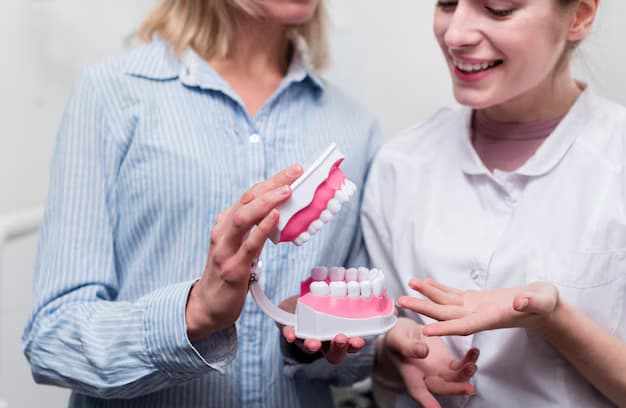
Not everyone is an ideal candidate for whitening treatments. A dental evaluation helps determine suitability.
Oral Health Requirements
Healthy teeth and gums are essential before undergoing teeth whitening treatment. Cavities, gum disease, or exposed roots should be addressed first to prevent complications.
Types of Discoloration
Teeth whitening works best on yellow or brown stains. Gray or blue discoloration caused by medications or trauma may respond less effectively. In such cases, alternative cosmetic options may be recommended.
Age and Dental Restorations
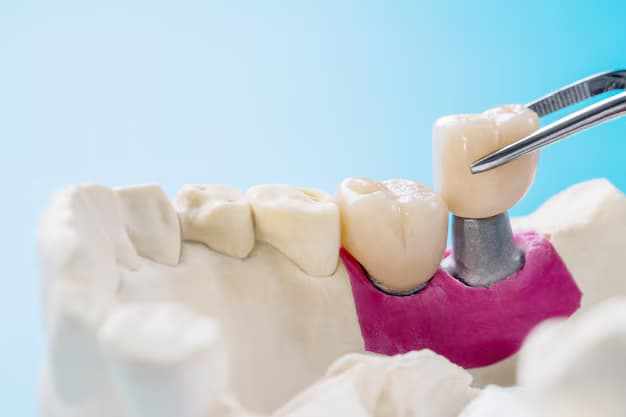
Children and teenagers should avoid whitening unless advised by a professional. Additionally, crowns, veneers, and fillings do not whiten and may require replacement to match newly whitened teeth.
How Long Do Whitening Results Last
The longevity of teeth whitening treatment results depends on lifestyle habits and oral care.
Factors That Affect Longevity
Diet, smoking, and oral hygiene play major roles in how long whitening lasts. Frequent consumption of staining foods and beverages can cause teeth to darken more quickly.
Maintenance and Touch Up Treatments
Using whitening toothpaste, practicing good oral hygiene, and scheduling occasional touch up treatments can help maintain results. Professional guidance ensures touch ups are done safely.
Tips for Maintaining a Brighter Smile
Maintaining a white smile involves daily habits and preventive care.
Consistent Oral Hygiene
Brushing twice a day and flossing daily help prevent plaque buildup and surface stains. Regular dental cleanings also support long term brightness.
Mindful Eating and Drinking Habits
Rinsing the mouth with water after consuming staining foods and drinks can reduce discoloration. Using a straw for beverages may also help minimize contact with teeth.
Regular Dental Visits
Routine dental checkups allow early detection of staining and other oral health issues. Professional advice helps determine when additional teeth whitening treatment may be beneficial.
Conclusion
Teeth whitening treatment is a safe and effective way to enhance the appearance of a smile when performed responsibly. By understanding the causes of discoloration, exploring professional and at home options, and prioritizing safety, individuals can achieve brighter teeth with confidence. A personalized approach guided by dental expertise ensures natural looking and lasting results.
For those seeking reliable guidance and professional care, Clove Dental Sherman Oaks is committed to helping patients achieve healthier and brighter smiles through informed and personalized dental solutions.








Write a comment ...