
Missing teeth can affect more than just a smile. They can influence speech clarity, chewing ability, facial structure, and overall oral health. Modern dentistry offers several solutions to restore missing teeth, and tooth bridges remain one of the most reliable and time tested options. This comprehensive guide explains what tooth bridges are, how they work, their benefits, types, procedure, care, and who they are best suited for, helping readers make informed decisions about restoring their smiles.
Understanding Tooth Bridges and Their Purpose
Tooth bridges are fixed dental restorations designed to replace one or more missing teeth by bridging the gap between natural teeth or dental implants. They are called bridges because they literally span the space left behind by missing teeth.
Unlike removable appliances, tooth bridges are permanently placed and feel more like natural teeth. They help restore both the appearance and function of the smile while preventing long term oral health complications associated with missing teeth.
Why Replacing Missing Teeth Is Important
Leaving gaps in the smile can lead to several dental problems over time. Adjacent teeth may shift into the empty space, causing bite misalignment. Bone loss can occur in the jaw where the tooth root is no longer present. Chewing efficiency may decrease, and speech patterns can change.
Tooth bridges help maintain the natural position of teeth, preserve facial structure, and support healthy oral function.
How Tooth Bridges Work
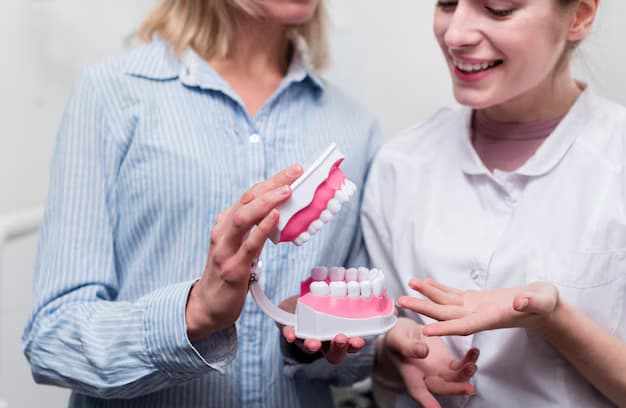
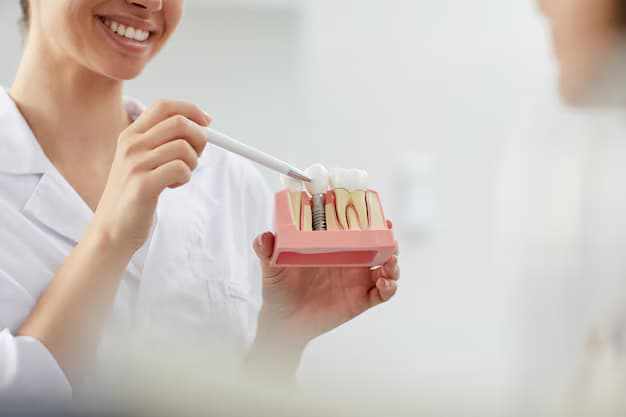
Tooth bridges consist of artificial teeth called pontics that fill the empty space, along with supporting structures that anchor the bridge in place. These supporting structures are typically crowns placed on the teeth next to the gap, known as abutment teeth.
Once secured, the bridge restores the natural look and function of missing teeth, allowing patients to chew, speak, and smile with confidence.
The Role of Abutment Teeth
Abutment teeth play a crucial role in supporting tooth bridges. These teeth are carefully prepared to hold dental crowns, which serve as anchors for the bridge. The strength and health of abutment teeth are essential for the long term success of the restoration.
Types of Tooth Bridges Available
There are several types of tooth bridges, each designed to address specific dental needs. Understanding the differences helps patients and dental professionals choose the most appropriate option.
Traditional Tooth Bridges
Traditional tooth bridges are the most common type. They involve placing crowns on the teeth on either side of the missing tooth, with a pontic in between. This option is ideal when natural teeth are present and healthy on both sides of the gap.
Cantilever Tooth Bridges
Cantilever tooth bridges are used when there is only one adjacent tooth available to support the bridge. While effective in certain cases, they are generally recommended for areas with less biting force, such as the front of the mouth.
Maryland Bonded Tooth Bridges
Maryland bonded bridges use a metal or ceramic framework bonded to the back of adjacent teeth instead of crowns. This approach requires minimal alteration of natural teeth and is often used for replacing front teeth.
Implant Supported Tooth Bridges
Implant supported bridges are anchored by dental implants rather than natural teeth. They provide excellent stability and help preserve jawbone health. This option is suitable for patients missing multiple teeth in a row.
Benefits of Choosing Tooth Bridges
Tooth bridges offer a wide range of benefits that go beyond aesthetics. They provide both functional and health related advantages.
Improved Chewing and Speech
Missing teeth can make chewing difficult and affect pronunciation. Tooth bridges restore proper bite alignment, making it easier to eat a variety of foods and speak clearly.
Enhanced Smile Appearance
Tooth bridges are custom designed to match the color, shape, and size of natural teeth. This results in a seamless and natural looking smile that boosts confidence.
Prevention of Teeth Shifting
When a tooth is missing, nearby teeth may drift into the empty space. Tooth bridges help maintain proper tooth alignment and prevent bite problems.
Support for Facial Structure
Missing teeth can lead to a sunken appearance in the face over time. Tooth bridges help maintain facial contours by supporting the lips and cheeks.
The Tooth Bridge Placement Process
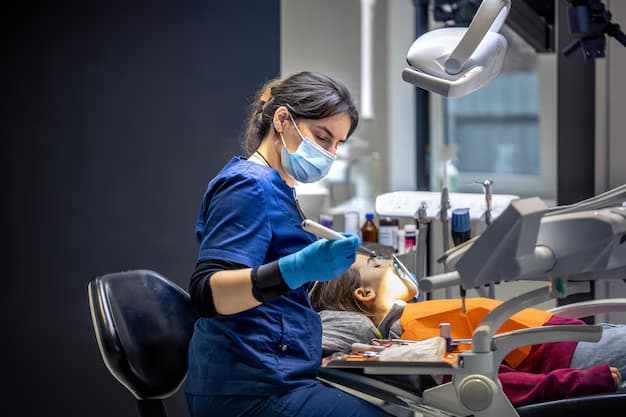
Getting tooth bridges typically involves multiple steps over several dental visits. Each stage is carefully planned to ensure comfort, precision, and long term success.
Initial Dental Examination
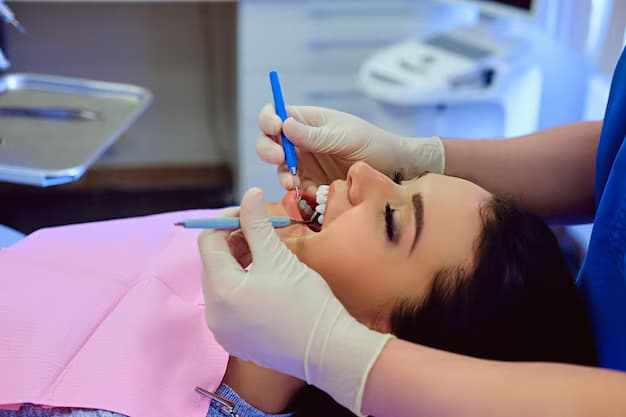
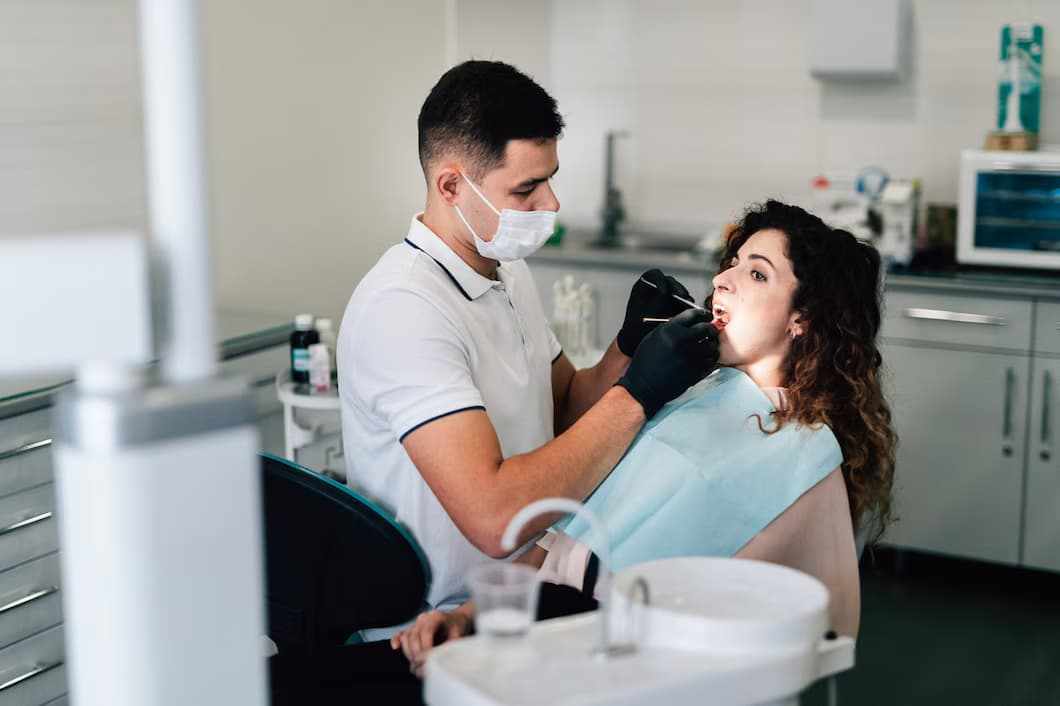
The process begins with a thorough dental examination. The dentist evaluates oral health, examines the gap, and determines whether tooth bridges are the most suitable solution. Imaging may be used to assess bone and tooth structure.
Preparation of Supporting Teeth
For traditional tooth bridges, the abutment teeth are reshaped to accommodate dental crowns. This step ensures a secure and comfortable fit for the bridge.
Taking Dental Impressions
Impressions of the teeth are taken to create a custom bridge that fits perfectly. These impressions are sent to a dental laboratory where the bridge is carefully crafted.
Temporary Bridge Placement
A temporary bridge may be placed to protect prepared teeth while the permanent bridge is being made. This helps maintain appearance and function during the waiting period.
Final Placement and Adjustment
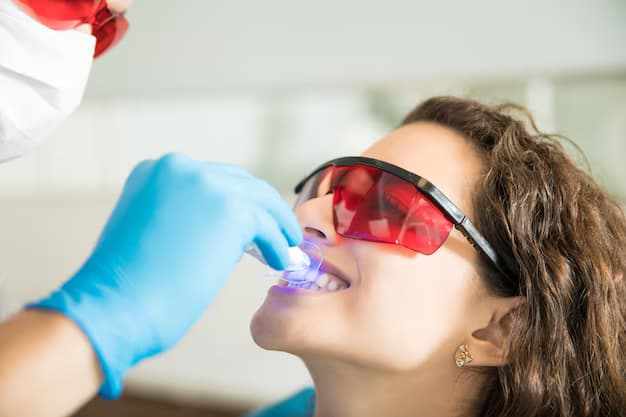
Once the permanent bridge is ready, it is placed and adjusted for proper fit and bite alignment. After ensuring comfort and aesthetics, the bridge is permanently secured.
Who Is a Good Candidate for Tooth Bridges
Tooth bridges are suitable for many individuals, but certain factors determine candidacy.
Adequate Oral Health
Healthy gums and strong supporting teeth are essential for traditional tooth bridges. Gum disease or decay may need to be treated before placement.
One or More Missing Teeth
Tooth bridges are ideal for patients missing one or multiple adjacent teeth. The number of missing teeth and their location influence the type of bridge recommended.
Commitment to Oral Hygiene
Maintaining good oral hygiene is crucial for the longevity of tooth bridges. Patients must be willing to brush, floss, and attend regular dental checkups.
Caring for Tooth Bridges
Proper care helps extend the life of tooth bridges and keeps surrounding teeth and gums healthy.
Daily Cleaning Routine
Brushing twice daily with fluoride toothpaste and flossing carefully around the bridge are essential. Special flossing tools can help clean beneath the pontic.
Regular Dental Visits
Routine dental checkups allow early detection of potential issues. Professional cleanings help maintain gum health around the bridge.
Avoiding Harmful Habits
Chewing on hard objects or using teeth as tools can damage tooth bridges. Avoiding excessive force helps protect the restoration.
How Long Tooth Bridges Last
With proper care, tooth bridges can last many years. Their lifespan depends on oral hygiene practices, material quality, and overall dental health.
Advancements in dental materials have improved durability, making modern tooth bridges both strong and aesthetically pleasing.
Comparing Tooth Bridges to Other Tooth Replacement Options
Understanding how tooth bridges compare to other treatments helps patients make confident decisions.
Tooth Bridges Versus Dental Implants
Dental implants replace the tooth root and help preserve bone, while tooth bridges rely on adjacent teeth for support. Tooth bridges often require less time and may be more suitable for certain patients.
Tooth Bridges Versus Dentures
Dentures are removable, while tooth bridges are fixed in place. Many patients prefer tooth bridges for their stability and natural feel.
Common Questions About Tooth Bridges
Patients often have questions about comfort, appearance, and maintenance. Tooth bridges are designed to feel comfortable once adjusted, blend naturally with existing teeth, and function like real teeth when properly cared for.
The Natural Feel and Confidence Tooth Bridges Provide
One of the biggest advantages of tooth bridges is how naturally they restore the smile. Patients often report improved confidence, easier eating, and a renewed sense of comfort in social situations.
Tooth bridges offer a balanced combination of function, aesthetics, and reliability, making them a popular choice for replacing missing teeth.
Conclusion
Tooth bridges are a proven and effective solution for restoring missing teeth, improving oral function, and enhancing smile aesthetics. They help prevent future dental complications while providing a natural look and feel. With proper planning, placement, and care, tooth bridges can significantly improve quality of life and long term oral health.
For individuals considering tooth bridges, professional guidance and personalized care are essential. At the conclusion of treatment planning and restoration, patients can feel confident knowing their smile has been restored with precision and care at Clove Dental Sherman Oaks.











Write a comment ...